Post
How to Choose the Perfect Outfit for Any Occasion
Jun
How to Choose the Perfect Outfit for Any Occasion
Introduction
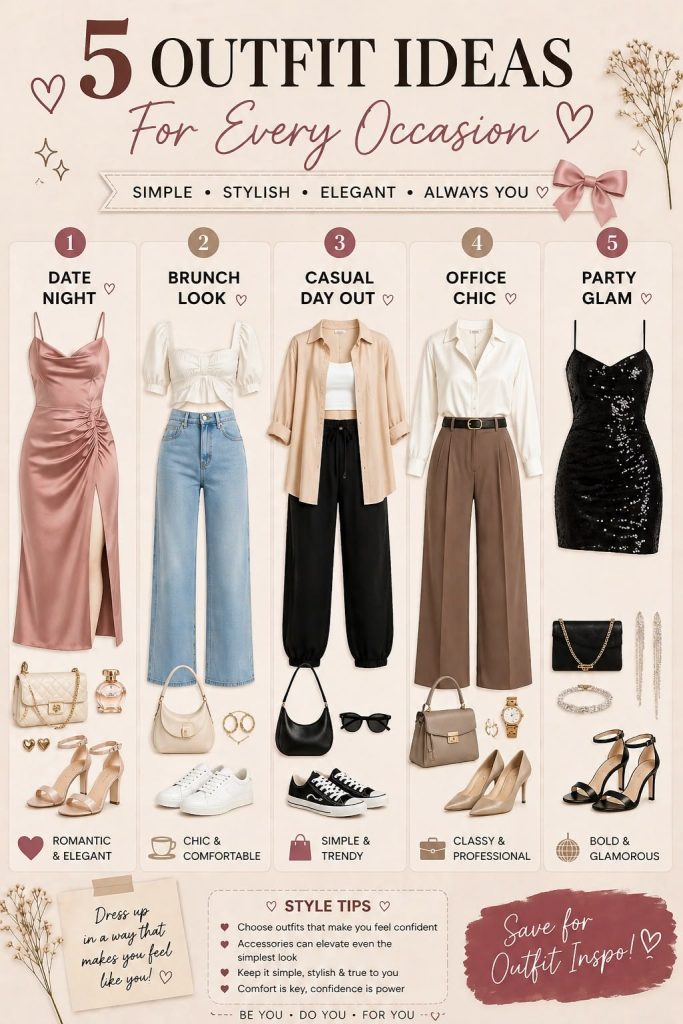
Choosing the perfect outfit can sometimes feel overwhelming. Whether you’re attending a business meeting, a wedding, a casual gathering, a formal dinner, or a weekend outing, selecting the right clothing is essential for making a positive impression and feeling confident. The perfect outfit is not necessarily the most expensive or fashionable one—it is the outfit that fits the occasion, complements your personal style, and allows you to feel comfortable and confident.
Fashion is more than simply wearing attractive clothing. It is a form of communication that reflects personality, professionalism, confidence, and respect for the environment you are entering. Understanding how to dress appropriately for different situations is a valuable skill that can enhance both your personal and professional life.
Luxury fashion houses such as Chanel, Hermès, Louis Vuitton, and Dior have long emphasized the importance of timeless style, proper fit, and thoughtful dressing. These principles apply not only to luxury fashion but also to everyday wardrobes.
This comprehensive guide explores how to choose the perfect outfit for any occasion while maintaining style, comfort, and sophistication.

Why Dressing for the Occasion Matters
The way you dress can influence how others perceive you and how you perceive yourself.
Benefits of Appropriate Dressing
- Creates positive first impressions
- Demonstrates confidence
- Shows respect for the event
- Enhances personal comfort
- Reflects professionalism and awareness
Choosing the right outfit helps you feel prepared and ensures you fit naturally into the setting.
Understand the Occasion First
Before selecting an outfit, identify the nature of the event.
Key Questions to Ask
- Is the event formal or casual?
- Will it take place indoors or outdoors?
- What is the expected dress code?
- What time of day is the event?
- What weather conditions should you expect?
The answers provide a foundation for making appropriate fashion decisions.
Know the Common Dress Codes
Understanding dress codes simplifies outfit selection.
Casual
Casual attire emphasizes comfort while maintaining a neat appearance.
Examples
- Dark denim
- Polo shirts
- T-shirts
- Casual dresses
- Sneakers
Avoid clothing that appears overly worn or unkempt.
Smart Casual
Smart casual combines comfort with sophistication.
Outfit Ideas
- Tailored trousers with a knit top
- Dark jeans with a blazer
- Midi dress with loafers
- Button-down shirt with chinos
Smart casual is one of the most versatile dress codes.

Business Casual
Business casual is common in professional environments.
Recommended Pieces
- Blazers
- Tailored trousers
- Pencil skirts
- Dress shirts
- Loafers
This style balances professionalism and comfort.
Business Formal
Business formal requires a polished and professional appearance.
For Women
- Tailored suits
- Structured dresses
- Closed-toe heels
For Men
- Suits
- Dress shirts
- Ties
- Leather dress shoes
Attention to detail is particularly important.
Cocktail Attire
Cocktail events call for elevated elegance.
Appropriate Choices
- Sophisticated dresses
- Elegant jumpsuits
- Dress shoes
- Refined accessories
The goal is polished sophistication without excessive formality.
Black Tie
Black tie is one of the most formal dress codes.
Traditional Options
Women
- Floor-length gowns
- Elegant evening dresses
Men
- Tuxedos
- Formal dress shoes
- Bow ties
Luxury and refinement define black-tie attire.
Consider the Venue
The location of an event significantly influences outfit selection.
Outdoor Events
Choose practical and weather-appropriate clothing.
Consider
- Breathable fabrics
- Comfortable footwear
- Layering options
Examples include:
- Garden weddings
- Outdoor parties
- Festivals
Indoor Events
Indoor venues often allow for more structured styling.
Focus on:
- Comfort
- Appropriate layering
- Venue temperature
The environment should always guide your decisions.
Dress for the Season
Seasonal awareness is crucial when planning an outfit.
Spring
Recommended Fabrics
- Cotton
- Linen blends
- Lightweight knits
Popular Colors
- Pastels
- Cream
- Soft neutrals
Summer
Summer wardrobes should prioritize breathability.
Ideal Choices
- Linen shirts
- Lightweight dresses
- Tailored shorts
- Comfortable sandals
Avoid heavy fabrics whenever possible.
Autumn
Autumn allows for rich textures and layering.
Wardrobe Essentials
- Wool blazers
- Ankle boots
- Knitwear
- Trench coats
Earth tones work particularly well during this season.
Winter
Winter dressing focuses on warmth without sacrificing style.
Must-Have Items
- Wool coats
- Turtlenecks
- Leather boots
- Scarves
Layering becomes especially important.
Prioritize Proper Fit
Regardless of the occasion, fit remains one of the most important factors in fashion.
Well-Fitted Clothing
Provides:
- Better comfort
- Improved proportions
- Enhanced confidence
- More polished appearance
Even simple clothing can look sophisticated when tailored properly.
Build Outfits Around Timeless Basics
Versatile wardrobe staples simplify outfit selection.
Essential Pieces
- White button-down shirt
- Tailored blazer
- Dark denim
- Neutral trousers
- Classic dress
- Quality knitwear
- Structured outerwear
These items can be adapted for numerous occasions.
Coordinate Colors Thoughtfully
Color coordination contributes significantly to a polished appearance.
Neutral Colors
Timeless choices include:
- Black
- White
- Beige
- Navy
- Gray
- Camel
Neutral palettes are versatile and sophisticated.
Accent Colors
Use color strategically through:
- Accessories
- Footwear
- Outerwear
Balance is key.
Choose Appropriate Footwear
Shoes can elevate or diminish an outfit.
Casual Events
- White sneakers
- Loafers
- Casual boots
Professional Settings
- Leather loafers
- Oxfords
- Pumps
Formal Occasions
- Dress shoes
- Elegant heels
Comfort and quality should always be priorities.
Accessorize with Intention
Accessories should enhance your outfit rather than overwhelm it.
Timeless Accessories
- Watches
- Simple jewelry
- Structured handbags
- Leather belts
- Sunglasses
A few carefully chosen accessories often create a stronger impression than excessive embellishment.
Consider Your Personal Style
Fashion should reflect your personality.
Even when following dress codes, incorporate elements that feel authentic to you.
Examples
- Signature colors
- Favorite silhouettes
- Meaningful accessories
- Preferred fabrics
Personal style helps you feel more comfortable and confident.
Avoid Common Outfit Mistakes
Ignoring the Dress Code
Being overdressed or underdressed can create discomfort.
Choosing Style Over Comfort
Discomfort often affects confidence and posture.
Wearing Poorly Maintained Clothing
Ensure garments are:
- Clean
- Pressed
- Free from damage
Over-Accessorizing
Simplicity often appears more sophisticated.
Avoiding these mistakes improves overall presentation.
How to Create a Reliable Outfit Formula
A practical outfit formula simplifies decision-making.
Step 1
Choose a foundation piece.
Examples:
- Dress
- Trousers
- Jeans
Step 2
Add a complementary top.
Step 3
Select appropriate footwear.
Step 4
Incorporate outerwear if needed.
Step 5
Finish with accessories.
This method works for virtually any occasion.
Confidence Is the Most Important Element
No outfit is complete without confidence.
Even the most stylish clothing cannot replace:
- Good posture
- Positive attitude
- Comfortable fit
- Authentic self-expression
Confidence enhances every outfit and leaves a lasting impression.
The Benefits of Dressing Well
Stronger First Impressions
People often form opinions quickly based on appearance.
Increased Confidence
Feeling well-dressed boosts self-assurance.
Professional Advantages
Appropriate attire can positively influence workplace interactions.
Greater Comfort
Thoughtful outfit planning reduces stress.
Enhanced Personal Style
Consistent dressing habits strengthen your fashion identity.
These benefits make learning how to dress appropriately highly valuable.
Conclusion
Choosing the perfect outfit for any occasion is a skill that combines practicality, style, and self-awareness. By understanding dress codes, considering the venue and season, prioritizing proper fit, coordinating colors thoughtfully, and investing in timeless wardrobe essentials, you can confidently dress for any event.
Inspired by the enduring elegance of luxury fashion houses such as Chanel, Hermès, and Dior, successful dressing is ultimately about balance. The perfect outfit should reflect the occasion, suit your personality, and make you feel comfortable and confident.
Whether you’re attending a casual gathering, a professional meeting, a wedding, or a formal event, following these principles will help you create polished, stylish, and appropriate outfits every time.
