Post
The Rise of Smart Fashion and Technology-Driven Clothing
Jun
The Rise of Smart Fashion and Technology-Driven Clothing
Introduction
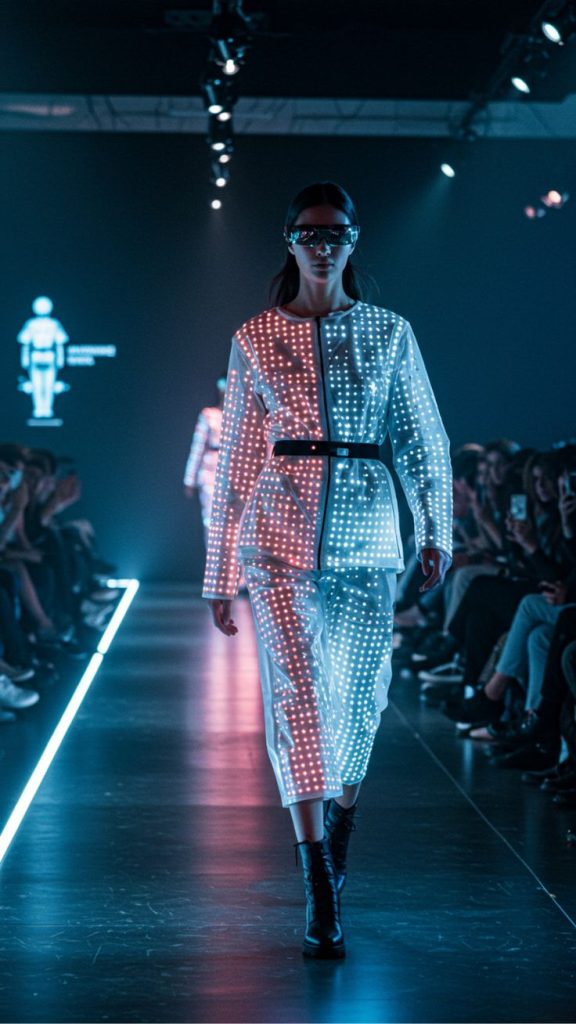
Fashion and technology have traditionally been viewed as separate industries, but in recent years they have become increasingly interconnected. As innovation continues to transform the way people live, work, and communicate, it is also reshaping how they dress. The emergence of smart fashion and technology-driven clothing represents one of the most exciting developments in the modern apparel industry.
Smart fashion refers to garments, accessories, and wearable technologies that integrate advanced functionality with contemporary style. These products go beyond aesthetics by incorporating features such as health monitoring, temperature regulation, fitness tracking, connectivity, and even artificial intelligence. As consumers seek clothing that offers both fashion and functionality, smart fashion is rapidly becoming a major force within the global fashion market.
Technology leaders and fashion brands alike are investing heavily in wearable innovation. Companies such as Apple, Samsung, Google, and fashion-focused innovators are exploring new ways to integrate digital capabilities into everyday apparel.
As smart textiles, wearable devices, and connected garments become more sophisticated, technology-driven clothing is poised to redefine the future of fashion. This article explores the rise of smart fashion, its applications, benefits, challenges, and what the future may hold for this rapidly evolving industry.

What Is Smart Fashion?
Smart fashion combines clothing design with advanced technology to create garments and accessories that provide additional functionality beyond traditional apparel.
Unlike conventional clothing, smart fashion products can:
- Monitor health metrics
- Track physical activity
- Adjust to environmental conditions
- Connect to mobile devices
- Collect and analyze data
- Improve user comfort and convenience
The goal is to enhance the wearer’s experience while maintaining attractive design and practicality.
The Evolution of Wearable Technology
The foundation of smart fashion lies in wearable technology.
Early wearable devices focused primarily on fitness tracking and digital connectivity.
Examples included:
- Fitness bands
- Smartwatches
- Heart-rate monitors
As technology advanced, innovation expanded beyond accessories and into the garments themselves.
Today, researchers and manufacturers are developing:
- Smart jackets
- Intelligent footwear
- Connected sportswear
- Responsive fabrics
- Sensor-integrated garments
This evolution has transformed wearable technology into a broader smart fashion ecosystem.
The Key Technologies Behind Smart Fashion
Several emerging technologies drive innovation within the smart fashion industry.
Smart Textiles
Smart textiles are fabrics designed to perform functions beyond traditional clothing materials.
These fabrics may:
- Conduct electricity
- Detect movement
- Measure biometric data
- Respond to environmental changes
Smart textiles form the foundation of many advanced wearable products.
Embedded Sensors
Modern garments can incorporate miniature sensors capable of collecting real-time information.
Sensors may monitor:
- Heart rate
- Body temperature
- Breathing patterns
- Posture
- Physical activity
These capabilities make smart clothing valuable in health, fitness, and wellness applications.
Artificial Intelligence
Artificial intelligence enhances the functionality of connected clothing.
AI can analyze data collected by wearable devices to provide:
- Personalized recommendations
- Performance insights
- Health monitoring
- Predictive alerts
As AI technology improves, smart fashion products will become increasingly intelligent and adaptive.
Internet of Things (IoT)
The Internet of Things allows devices to communicate and share information.
Smart clothing can connect with:
- Smartphones
- Smartwatches
- Fitness applications
- Health platforms
This connectivity creates seamless digital experiences for users.
Health and Wellness Applications
One of the most promising areas of smart fashion is healthcare.
Smart garments can help monitor various health metrics without requiring separate medical equipment.
Heart Rate Monitoring
Integrated sensors can track cardiovascular activity throughout the day.
Posture Correction
Certain garments provide feedback to encourage proper posture.
Sleep Tracking
Wearable technology can collect data related to sleep quality and recovery.
Chronic Condition Monitoring
Future innovations may assist in managing long-term health conditions through continuous observation.
These applications highlight the potential of smart fashion to improve overall well-being.

The Impact on Fitness and Sports
Athletes and fitness enthusiasts have been among the earliest adopters of smart clothing.
Technology-driven sportswear can provide valuable performance insights.
Common Features
- Movement tracking
- Muscle activity analysis
- Performance monitoring
- Recovery assessment
Benefits include:
- Improved training efficiency
- Injury prevention
- Better performance optimization
As sports technology advances, smart apparel is expected to become increasingly common.
Temperature-Regulating Clothing
Comfort remains a key focus of smart fashion innovation.
Researchers are developing fabrics capable of adapting to environmental conditions.
Potential Functions
- Cooling in warm temperatures
- Retaining heat in cold weather
- Moisture management
- Climate responsiveness
Such technologies may significantly improve comfort across different environments and activities.
Smart Fashion and Sustainability
Technology is also helping fashion become more sustainable.
Reducing Waste
Smart manufacturing processes can improve efficiency and reduce excess production.
Extending Product Lifespans
Connected garments may provide maintenance recommendations that help preserve quality.
Resource Optimization
Advanced production technologies can reduce energy and material consumption.
The combination of sustainability and innovation represents a significant opportunity for the industry.
Luxury Fashion Embraces Technology
Luxury fashion brands are increasingly exploring technology integration.
Many luxury houses are investing in:
- Digital experiences
- Connected accessories
- Virtual fashion
- Smart customization
The goal is to enhance customer experiences while maintaining exclusivity and craftsmanship.
Technology allows luxury brands to create new forms of engagement with consumers.
The Growth of Smart Accessories
While smart clothing continues to develop, accessories currently represent the largest segment of wearable fashion.
Popular products include:
Smartwatches
Provide:
- Notifications
- Health monitoring
- Fitness tracking
- Connectivity
Smart Glasses
Offer augmented reality and hands-free information access.
Connected Jewelry
Combines fashion aesthetics with digital functionality.
These products demonstrate how technology can integrate seamlessly into personal style.
Challenges Facing Smart Fashion
Despite its potential, smart fashion faces several obstacles.
Cost
Advanced technology often increases production expenses.
This can result in higher retail prices.
Privacy Concerns
Data collection raises questions about:
- Security
- Privacy
- User control
Consumers increasingly expect transparent data practices.
Durability
Electronic components must withstand regular wear, washing, and environmental exposure.
Design Limitations
Fashion products must remain attractive while integrating technological features.
Balancing functionality and aesthetics remains a key challenge.
Consumer Adoption Trends
Consumer interest in wearable technology continues to grow.
Several factors support adoption:
Increased Health Awareness
Consumers value products that support wellness goals.
Convenience
Technology simplifies daily activities.
Personalization
Smart products can provide customized experiences.
Digital Integration
Connected lifestyles encourage wearable innovation.
As these trends continue, smart fashion is expected to reach a broader audience.
The Future of Smart Fashion
The future of technology-driven clothing is highly promising.
Several developments are expected to shape the industry.
AI-Powered Personalization
Garments may adapt to individual preferences and needs.
Advanced Biometric Monitoring
Health-tracking capabilities will likely become more sophisticated.
Self-Charging Textiles
Future fabrics may generate or store energy.
Augmented Reality Integration
Clothing may interact with digital environments and experiences.
Enhanced Sustainability
Technology will support more responsible production and consumption practices.
These innovations could fundamentally transform how people interact with fashion.
How Smart Fashion Is Changing Consumer Expectations
Modern consumers increasingly expect products to deliver more than basic functionality.
Technology-driven clothing offers:
- Convenience
- Personalization
- Connectivity
- Health insights
- Enhanced performance
As these benefits become more common, expectations for traditional apparel may evolve as well.
Fashion is increasingly becoming an interactive experience rather than a purely visual one.
The Business Opportunities in Smart Fashion
The smart fashion market presents significant opportunities for brands.
Potential growth areas include:
Healthcare
Medical monitoring and wellness solutions.
Sports Performance
Advanced athletic wear and training technologies.
Luxury Fashion
Exclusive technology-enhanced experiences.
Everyday Apparel
Functional clothing designed for daily use.
Companies that successfully combine innovation, style, and usability may gain substantial competitive advantages.
Conclusion
The rise of smart fashion and technology-driven clothing marks a significant evolution in the fashion industry. By integrating advanced technologies such as artificial intelligence, smart textiles, wearable sensors, and connected devices, fashion is becoming more functional, interactive, and personalized than ever before.
What began with simple fitness trackers and smartwatches has expanded into a broader ecosystem of intelligent garments capable of monitoring health, enhancing athletic performance, improving comfort, and connecting seamlessly with digital lifestyles. As innovation continues to accelerate, smart fashion is expected to play an increasingly important role in how people dress and interact with technology.
While challenges related to cost, privacy, durability, and design remain, ongoing advancements suggest a future where fashion is not only stylish but also intelligent, responsive, and deeply integrated into everyday life. The convergence of technology and apparel is no longer a futuristic concept—it is rapidly becoming the new reality of modern fashion.
