Post
How Luxury Fashion Brands Influence Global Style Trends
Jun
How Luxury Fashion Brands Influence Global Style Trends
Introduction
Luxury fashion brands have long served as the driving force behind global style evolution. From the runways of Paris and Milan to street fashion in New York, Tokyo, Seoul, and London, the influence of luxury fashion extends far beyond high-end boutiques and exclusive fashion shows. These prestigious brands shape consumer preferences, inspire designers across all market segments, and establish the trends that define each fashion era.
Today, renowned fashion houses such as Chanel, Louis Vuitton, Hermès, Dior, and Gucci play a crucial role in influencing how people dress around the world. Their creative decisions impact everything from color palettes and silhouettes to accessories, footwear, and even lifestyle choices.
As fashion becomes increasingly globalized through digital media and social platforms, the reach of luxury brands continues to expand. What begins on a runway often finds its way into mainstream retail, social media content, celebrity wardrobes, and everyday fashion choices within months.
This article explores how luxury fashion brands influence global style trends and why their impact remains stronger than ever in the modern fashion industry.

The Power of Luxury Fashion Houses
Luxury brands occupy a unique position within the fashion ecosystem.
Unlike mass-market retailers, luxury houses often lead rather than follow trends.
Their influence stems from several factors:
- Heritage and prestige
- Creative innovation
- Exceptional craftsmanship
- Global visibility
- Cultural relevance
Consumers frequently view luxury brands as authorities on style, making their collections highly influential across all market segments.
Fashion Runways as Trend Laboratories
One of the primary ways luxury brands shape global fashion is through runway presentations.
Fashion weeks held in major cities such as:
- Paris
- Milan
- New York City
- London
serve as platforms where designers introduce new concepts and aesthetics.
Runway Trends Often Influence:
- Colors
- Fabrics
- Silhouettes
- Accessories
- Footwear
- Beauty trends
Fashion editors, buyers, influencers, and retailers closely monitor these presentations to identify emerging trends.
Within months, similar styles often appear throughout the broader fashion market.
Luxury Brands Set the Tone for Seasonal Fashion
Each season, luxury houses establish the visual themes that influence the industry.
Spring and Summer Collections
Often introduce:
- Fresh color palettes
- Lightweight fabrics
- Relaxed silhouettes
- New accessories
Fall and Winter Collections
Typically emphasize:
- Rich textures
- Layering techniques
- Outerwear innovations
- Seasonal color stories
Retailers across various price points frequently adapt these themes for their own collections.
This creates a ripple effect throughout the global fashion industry.
Celebrity Endorsements Amplify Influence
Celebrities play a major role in extending the reach of luxury fashion brands.
When high-profile figures wear luxury designs, those pieces often gain immediate visibility.
Luxury brands regularly collaborate with:
- Actors
- Musicians
- Athletes
- Models
- Influencers
These partnerships help translate runway fashion into mainstream cultural trends.
Impact of Celebrity Fashion
Consumers often seek to emulate the style of admired public figures, driving demand for similar aesthetics.
A single celebrity appearance can significantly influence purchasing behavior worldwide.
Social Media Accelerates Trend Adoption
In previous decades, runway trends could take months or even years to reach consumers.
Today, social media platforms dramatically accelerate this process.
Key Platforms
These platforms allow fashion content to spread globally within hours.
Luxury brands leverage social media to:
- Showcase new collections
- Engage audiences
- Launch campaigns
- Influence consumer preferences
Digital visibility has become one of the most powerful tools in modern fashion marketing.
Luxury Handbags Shape Consumer Aspirations
Luxury handbags are among the most influential products in the fashion industry.
Iconic designs often establish broader style trends.
Examples include:
- The Classic Flap Bag from Chanel
- The Birkin from Hermès
- The Speedy from Louis Vuitton
These bags influence:
- Accessory trends
- Color preferences
- Material choices
- Consumer aspirations
Luxury handbags frequently become cultural symbols that define entire fashion eras.
The Influence of Creative Directors
Creative directors play a significant role in shaping global style.
Their artistic vision often extends beyond individual collections.
Notable fashion leaders have transformed the industry through innovative design and storytelling.
Their influence can be seen in:
- Runway aesthetics
- Brand identity
- Consumer behavior
- Industry direction
Creative leadership remains one of the most powerful forces in luxury fashion.
Luxury Brands Drive Innovation
Innovation is a critical component of luxury fashion influence.
Luxury houses frequently pioneer developments in:
Materials
New textiles and sustainable fabrics.
Construction Techniques
Advanced craftsmanship methods.
Design Concepts
Innovative silhouettes and styling approaches.
Digital Experiences
Virtual fashion shows and immersive shopping experiences.
Many of these innovations eventually become industry standards.
The Rise of Quiet Luxury
One of the most influential recent fashion movements is quiet luxury.
Luxury brands helped popularize this aesthetic through:
- Understated elegance
- Superior craftsmanship
- Minimal branding
- Neutral color palettes
Consumers increasingly prioritize quality and timelessness over overt displays of status.
This trend demonstrates how luxury fashion can reshape broader consumer values.
Luxury Fashion and Streetwear
The relationship between luxury fashion and streetwear has become increasingly significant.
Luxury brands have embraced:
- Sneakers
- Hoodies
- Oversized silhouettes
- Casual styling
This fusion has transformed contemporary fashion.
The collaboration between luxury houses and streetwear culture has influenced:
- Youth fashion
- Retail strategies
- Consumer expectations
The result is a more inclusive and dynamic fashion landscape.
Global Fashion Trends Influenced by Luxury Brands
Several major trends have been heavily influenced by luxury fashion houses.
Oversized Tailoring
Luxury brands popularized relaxed tailoring and modern suiting.
Monochromatic Dressing
Elegant single-color styling became a hallmark of sophisticated fashion.
Statement Accessories
Luxury houses elevated accessories into focal points of personal style.
Minimalist Fashion
Premium basics and timeless essentials gained renewed popularity.
Sustainable Luxury
Environmental responsibility has become increasingly important within the luxury sector.
These trends continue to shape wardrobes worldwide.
Luxury Brands and Consumer Psychology
Luxury fashion influences not only what people wear but also how they perceive style.
Emotional Appeal
Luxury products often evoke:
- Confidence
- Aspiration
- Exclusivity
- Achievement
Brand Storytelling
Luxury houses create compelling narratives that strengthen emotional connections with consumers.
Cultural Status
Certain products become symbols of success and sophistication.
This psychological influence contributes significantly to the power of luxury fashion.
How Fast Fashion Responds to Luxury Trends
Many mass-market retailers closely monitor luxury fashion collections.
Once new trends emerge:
- Luxury brands introduce them.
- Fashion media amplifies them.
- Retailers adapt them.
- Consumers adopt them.
This process allows luxury fashion to influence style across all price categories.
Even consumers who never purchase luxury products often wear styles inspired by luxury runway trends.
The Future of Luxury Fashion Influence
The influence of luxury fashion brands is expected to grow even further.
Emerging Trends
Sustainability
Responsible production will become increasingly important.
Technology Integration
Artificial intelligence, digital fashion, and virtual experiences will reshape consumer engagement.
Personalization
Consumers will seek more customized fashion experiences.
Global Connectivity
Social media and digital commerce will continue expanding the reach of luxury brands.
These developments will further strengthen the industry’s ability to shape global style trends.
Why Luxury Fashion Remains Relevant
Luxury brands continue to lead the fashion industry because they consistently deliver:
- Innovation
- Craftsmanship
- Cultural influence
- Aspirational value
- Timeless design
Their ability to combine heritage with modern relevance ensures ongoing impact across generations.
As a result, luxury fashion remains one of the most powerful forces shaping global style.
Conclusion
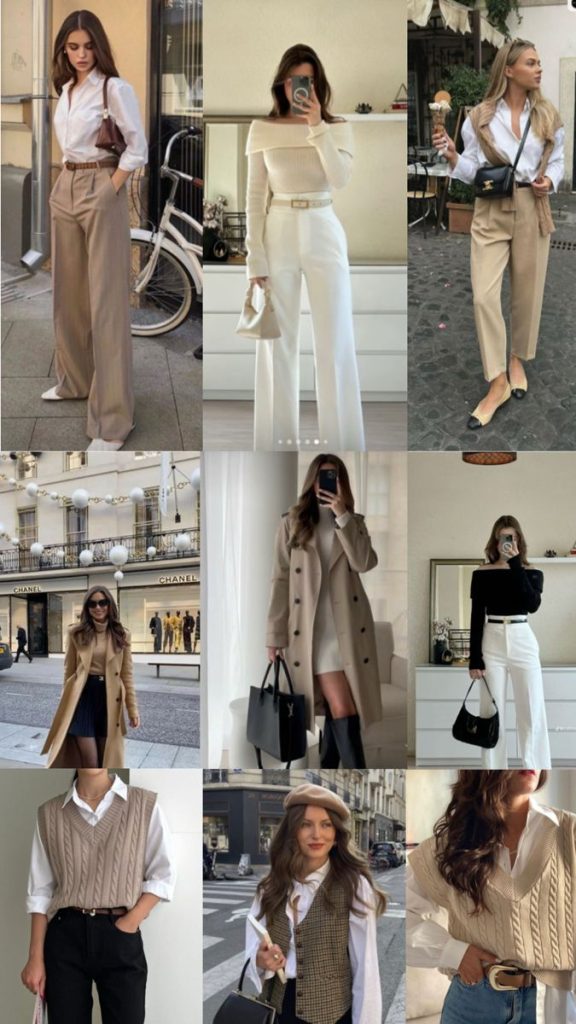
Luxury fashion brands play a pivotal role in defining how the world dresses. Through runway presentations, celebrity partnerships, social media influence, innovative design, and exceptional craftsmanship, leading fashion houses such as Chanel, Louis Vuitton, and Hermès continue to set the direction for global style trends.
Their influence extends far beyond luxury consumers, shaping the collections of mainstream retailers, inspiring designers across all market segments, and affecting everyday fashion choices worldwide. Whether through the rise of quiet luxury, the evolution of streetwear, or the growing emphasis on sustainability, luxury brands remain at the forefront of fashion innovation.
As technology, culture, and consumer expectations continue to evolve, luxury fashion houses will remain key architects of the trends that define modern style. Their ability to blend heritage, creativity, and aspiration ensures their influence will continue to shape the future of fashion for years to come.
