Post
Streetwear Fashion: The Evolution of Urban Style
Jun
Streetwear Fashion: The Evolution of Urban Style
Introduction
Streetwear fashion has transformed from a niche subculture into one of the most influential movements in the global fashion industry. What began as a style rooted in skateboarding, hip-hop, surf culture, and urban communities has evolved into a multibillion-dollar market that shapes how people dress across the world.
Today, streetwear is no longer confined to city streets or youth culture. It has become a dominant force influencing luxury fashion, sportswear, celebrity style, and mainstream retail. From oversized hoodies and graphic T-shirts to premium sneakers and designer collaborations, streetwear has redefined modern fashion by blending comfort, individuality, and cultural expression.
Leading brands such as Supreme, Off-White, Nike, Adidas, and Stüssy have helped elevate streetwear from an underground movement to a global fashion phenomenon.
This article explores the evolution of streetwear fashion, its cultural roots, key influences, and why it continues to define urban style in the modern era.

What Is Streetwear Fashion?
Streetwear is a fashion movement inspired by urban culture and everyday lifestyle.
Unlike traditional luxury fashion, streetwear prioritizes:
- Comfort
- Self-expression
- Cultural identity
- Exclusivity
- Community influence
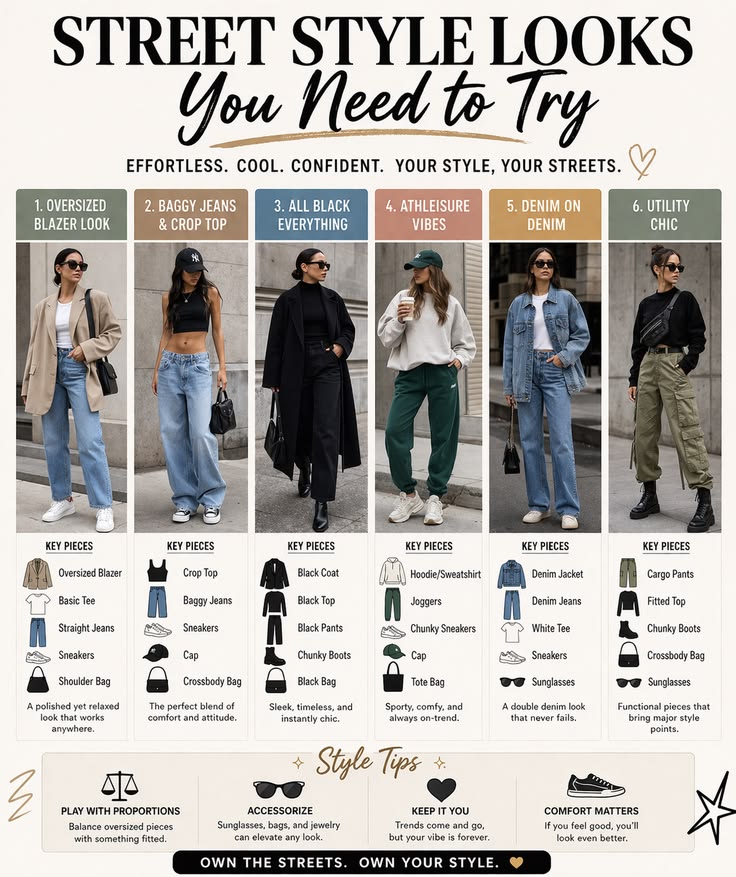
Common streetwear elements include:
- Graphic T-shirts
- Hoodies
- Sneakers
- Cargo pants
- Oversized silhouettes
- Baseball caps
- Varsity jackets
Streetwear’s appeal lies in its ability to merge fashion with music, art, sports, and social movements.
The Origins of Streetwear
Streetwear emerged during the late 1970s and early 1980s.
Its earliest influences came from:
Surf Culture
In Southern California, surf communities began producing custom graphic apparel that reflected their lifestyle.
One of the pioneers of this movement was Shawn Stussy, whose signature logo became an iconic symbol of early streetwear.
Skateboarding Culture
Skateboarders adopted practical, durable clothing designed for movement and comfort.
Popular items included:
- Loose-fitting pants
- Graphic shirts
- Skate shoes
- Hooded sweatshirts
This aesthetic became a foundation of modern streetwear.
Hip-Hop Influence
During the 1980s and 1990s, hip-hop artists introduced a new dimension to streetwear.
Key fashion elements included:
- Oversized clothing
- Athletic apparel
- Sneakers
- Statement accessories
Hip-hop culture helped spread streetwear far beyond its local origins.
Streetwear in the 1990s
The 1990s marked a significant period of growth for streetwear.
Several factors contributed to its expansion:
Music Industry Influence
Artists became fashion trendsetters.
Fans increasingly adopted styles worn by musicians and performers.
Sneaker Culture
Sneakers evolved from athletic equipment into highly desirable fashion items.
Limited releases and collectible designs fueled demand.
Brand Identity
Streetwear labels developed strong visual identities through:
- Logos
- Graphics
- Community engagement
- Limited production runs
These strategies helped create exclusivity and loyalty among consumers.
The Rise of Sneaker Culture
No discussion of streetwear is complete without addressing sneaker culture.
Sneakers became central to streetwear identity because they represented:
- Personal style
- Status
- Collectibility
- Cultural affiliation
Popular sneaker categories include:
Basketball Sneakers
Originally designed for performance but widely adopted for everyday wear.
Running Shoes
Valued for both comfort and style.
Collaborative Releases
Limited-edition partnerships often generate enormous excitement within the fashion community.
Today, sneakers remain one of the most important elements of streetwear fashion.
The Impact of Supreme on Streetwear
Few brands have influenced streetwear as profoundly as Supreme.
Founded in 1994, the brand revolutionized fashion through:
- Limited product drops
- Scarcity-driven marketing
- Strong community engagement
- Strategic collaborations
Supreme demonstrated that exclusivity could generate immense cultural and commercial value.
Its business model inspired countless streetwear brands worldwide.
Luxury Fashion Embraces Streetwear
One of the most significant developments in fashion history has been the integration of streetwear into luxury fashion.
Luxury houses such as:
- Louis Vuitton
- Dior
- Gucci
- Balenciaga
began incorporating streetwear influences into their collections.
Key Elements Introduced
- Oversized silhouettes
- Sneakers
- Hoodies
- Utility-inspired designs
- Casual styling
This fusion blurred the distinction between luxury and street fashion.
The Influence of Music on Streetwear
Music remains one of the strongest drivers of streetwear trends.
Hip-Hop
Hip-hop artists continue to shape fashion preferences worldwide.
Their influence extends to:
- Sneakers
- Jewelry
- Outerwear
- Designer collaborations
Rap and Contemporary Culture
Modern artists often launch their own fashion brands, further strengthening the connection between music and style.
Global Music Movements
Genres from different regions increasingly contribute to streetwear evolution.
The relationship between music and fashion remains deeply interconnected.
Streetwear as a Form of Self-Expression
One reason streetwear remains so popular is its emphasis on individuality.
Unlike highly structured fashion traditions, streetwear encourages creativity.
Consumers express themselves through:
- Graphic designs
- Unique styling
- Rare sneakers
- Limited-edition products
- Personal customization
This freedom appeals particularly to younger generations seeking authentic self-expression.
The Role of Social Media in Streetwear Growth
Social media has dramatically accelerated streetwear’s global reach.
Popular Platforms
These platforms allow users to:
- Share outfits
- Discover trends
- Follow influencers
- Participate in fashion communities
Streetwear trends now spread globally within hours rather than months.
Key Characteristics of Modern Streetwear
Today’s streetwear combines heritage influences with contemporary innovation.
Oversized Silhouettes
Relaxed fits remain central to the aesthetic.
Graphic Design
Bold graphics continue to define many streetwear collections.
Sneaker-Focused Styling
Footwear often serves as the focal point of an outfit.
Utility Elements
Cargo pockets, technical fabrics, and functional details are increasingly common.
Layering
Streetwear frequently incorporates creative layering techniques to add depth and personality.
These characteristics help distinguish streetwear from more traditional fashion categories.
The Business of Exclusivity
A unique aspect of streetwear is its reliance on scarcity.
Many brands utilize:
- Limited releases
- Product drops
- Exclusive collaborations
- Restricted availability
These strategies create anticipation and demand.
Consumers often view rare items as both fashion statements and collectible assets.
This approach has become one of the defining characteristics of modern streetwear culture.
Sustainability and the Future of Streetwear
As environmental awareness grows, streetwear brands are increasingly exploring sustainable practices.
Emerging Trends
- Recycled materials
- Ethical manufacturing
- Sustainable packaging
- Circular fashion initiatives
Consumers are demanding greater transparency and responsibility from fashion brands.
Sustainability is expected to play a major role in the next phase of streetwear evolution.
Why Streetwear Continues to Thrive
Streetwear remains highly relevant because it reflects broader cultural movements.
It Combines
- Fashion
- Music
- Art
- Sports
- Technology
- Community
This cultural versatility allows streetwear to evolve continuously while maintaining authenticity.
Few fashion movements have demonstrated such adaptability and global appeal.
The Future of Urban Style
Looking ahead, streetwear is likely to continue influencing fashion across all market segments.
Future developments may include:
Greater Luxury Integration
Luxury and streetwear collaborations will likely expand.
Digital Fashion
Virtual products and digital collectibles may become increasingly important.
Personalized Design
Customization will enhance consumer engagement.
Sustainable Innovation
Environmental responsibility will shape future collections.
These trends suggest that streetwear’s influence will remain significant for years to come.
Conclusion
Streetwear fashion has evolved from a localized urban subculture into one of the most influential forces in global style. Through its roots in skateboarding, hip-hop, surf culture, and youth communities, streetwear has redefined how people approach fashion, emphasizing comfort, creativity, authenticity, and self-expression.
Brands such as Supreme, Stüssy, and Off-White have helped shape this movement, while luxury fashion houses have embraced streetwear’s influence to remain culturally relevant in the modern era.
As fashion continues to evolve, streetwear remains at the intersection of culture, innovation, and personal identity. Its ability to adapt while staying connected to its roots ensures that urban style will continue influencing global fashion trends well into the future.
